
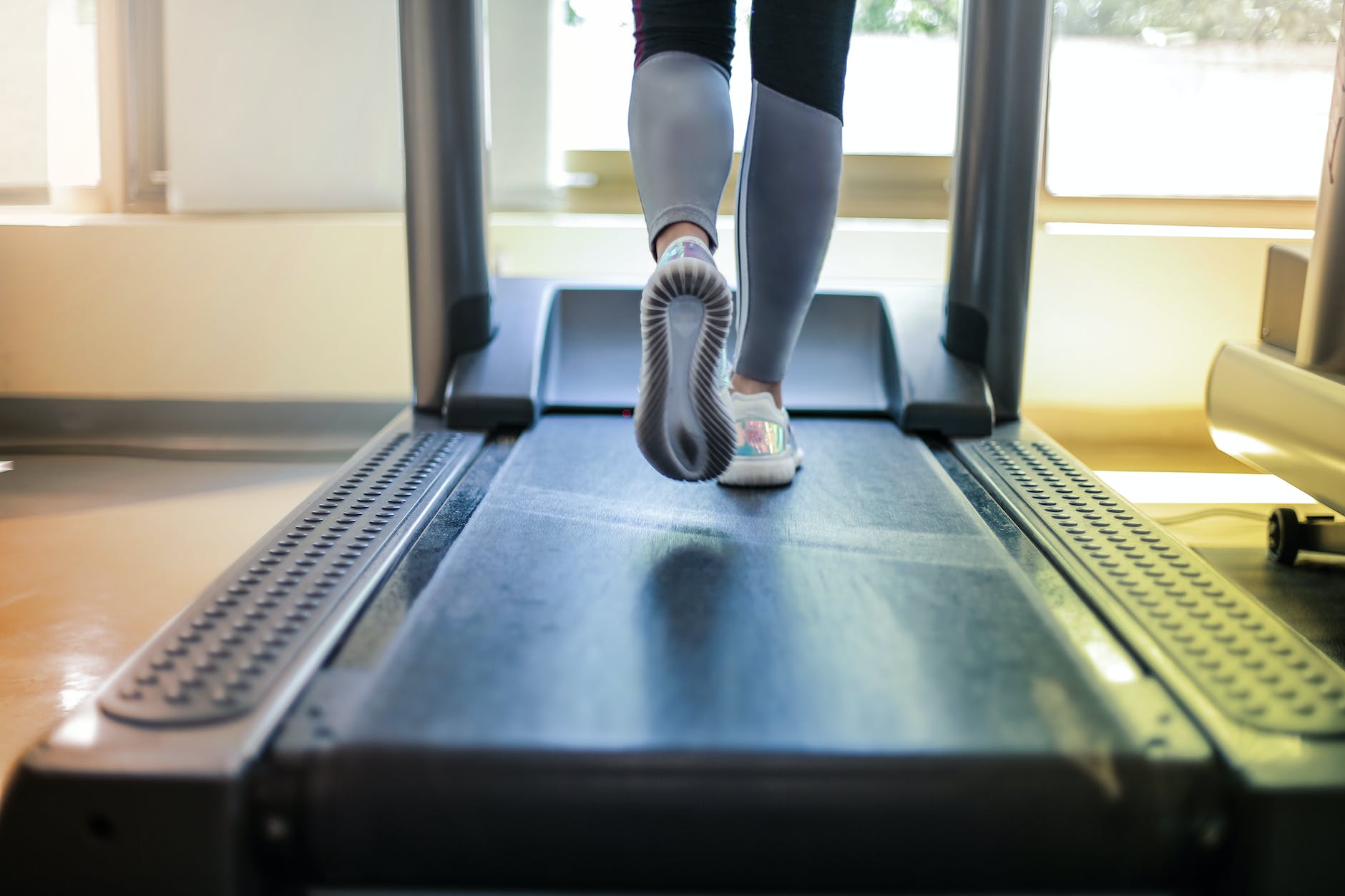
In conversations with students over the last few years, I often ask students why they do or do not exercise. For those who don’t, the response that I hear the most is lack of time. It seems to be a common thread that ties many age groups together – college & university students, parents of young children, and even the “sandwich generation”. Anecdotally, the only recreational exercisers that I know who make every workout that they WANT to do are retired people!
Research supports time being the biggest obstacle to exercise for college and university students, with a 2022 review determining that “Barriers in the psychological, emotional, and cognitive category were identified in almost all parts of the world that were covered by the included studies…lack of time [cognitive] was the most cited barrier to physical activity in university students.” (Silva et al.)
As a barrier to exercise, lack of time can be difficult to unpack. Are students facing a perceived lack of time or a real lack of time? Do students believe that unless they suit up in Lululemon gear, and dedicate a set amount of time to a workout AT the gym, they cannot exercise? The belief that exercise needs to fit into a certain box prevents many from building activity into their lives.
Of course many students are working jobs in addition to their studies and a lack of time may be a very real barrier. In addition, many students may feel intimidated to visit the campus gym. In my time working at gyms in Niagara, I’ve often had Brock students visit my classes and explain that they felt more comfortable in a space away from campus (particularly when I taught at an all-women’s gym).
If we consider the lack of time to workout and the trepidation some students may feel about the campus gym, there may be real opportunities for academic libraries to play a role in promoting physical activity. Noah Lentstra makes a strong case for the library’s role in supporting movement, writing: “physical activity is, and should be, part of the conversation about how academic librarians support student success.” (226)
When students use our spaces, we know that they are often sitting to read, write, or chat with their friends. They may be walking as they move between floors, browse the stacks or photocopy, but I would argue that the majority of their time is spent in a seated position. Knowing that research consistently exposes the dangers of too much sitting, academic libraries could be in a natural position to encourage (and share the benefits of!) movement.
Research also shows just how beneficial movement is for learning. Spark: The Revolutionary New Science of Exercise and the Brain, written by John Ratey, goes into great detail about the amazing benefits of exercise for mood, focus, cognition, and memory. I used this book last year in my “Wellness Book Club” and the students loved learning about how exercise helps us learn; some students were even inspired to exercise based on the research that is presented in Ratey’s book.
There are many good reasons for movement to play a role in academic library programming, spaces, and even in library research sessions. There are great examples of library spaces that incorporate movement such as Treadmill Desks at the University of Alberta (an example of a partnership between Campus Recreation and the Library) or this Oasis space at Duke University Libraries, which offers yoga mats for movement.
I hope this post makes a compelling case for the academic library’s role in promoting physical activity but wanted to bring in an expert on the topic…
Q&A with Dr. Lenstra:
I was thrilled to be able to ask Dr. Noah Lenstra some questions on the topic of exercise and libraries for this post. Dr. Lentstra has written extensively on the topic of physical activity and libraries, writing numerous articles and the book, Healthy Living at the Library, in 2020. He is also the founder of the Let’s Move in Libraries initiative, which provides many ideas, resources, and examples of libraries that are actively involved in promoting health.
What inspired your own interest in physical activity and libraries?
My initial interest came from my doctoral dissertation, which was a study of how public libraries and senior centers (typically parts of parks & recreation agencies) support digital inclusion among older adults. That study included a comparison of senior centers and public libraries, finding that they often offered many of the same services for older adults, including low-intensity exercises like Chair Yoga or Zumba Gold. That initial interest led me to Jenn Carson, a Canadian public librarian who in 2014 launched the Yoga in the Library website. From there, the task became how to understand how and why public libraries support physical activity.
How did the initiative “Let’s Move in Libraries” get started?
That came about due to the particularities of American policy during 2016. Former First Lady Michelle Obama started in 2010 something called Let’s Move!, which focused on accelerating community health by challenging all agencies of the American government to support childhood health. Libraries were involved in Let’s Move!, via the U.S. Institute of Museum & Library Services, but in a very minor way. That gap led me to start Let’s Move in Libraries.
Do you feel exercise deserves its own focus within academic libraries (rather than being grouped under wellness)?
I have no problems with contextualizing exercise as part of wellness, particularly if that happens to be the language used across your campus to discuss the promotion of exercise and physical activity. I think the answer to this question is “it depends” – how do others – such as campus recreation – on your campus discuss exercise and physical activity? That’s how I’d describe it in an academic library context.
Are there partners beyond Campus Recreation that you think could bring physical activity into the Library?
Campus Recreation is definitely the main one! But I’d also look to Campus Wellness units – which are sometimes the same as Campus Rec, but sometimes not. I’m less familiar with the Canadian context, but here in the states we have something called the “American College Health Association (ACHA),” which describes itself as “the voice for student health and wellness.” In addition to institutional members, their membership includes “physicians, physician assistants, administrators, nurses, nurse practitioners, nurse directors, mental health professionals, health educators, dietitians and nutritionists, and pharmacists — as well as students dedicated to health promotion on their campus.” In other words, I’d consider anyone, including student groups, working to promote health on college and university campuses as potential partners.
Since publishing your book Healthy Living at the Library and your contribution to Student Wellness & Academic Libraries in 2020, have you noticed any emerging trends in physical activity within libraries?
I think a lot of what I wrote about in those two publications was focused on what could be done inside the physical space of the library. Obviously a lot of that was put on pause during the COVID-19 Pandemic. The biggest trend I’ve seen is the growth of StoryWalks, and related outdoor programming, including in a growing number of academic libraries.
One of my favorite examples was a collaboration among the “The Department of Health Sciences, Metcalf Library, and Milner Library” on the campus of Illinois State University to host a StoryWalk on the University Quad for International Day of Peace on September 24, 2022. So I think the biggest trend I’ve seen is a big focus on what can be done outdoors, and how outdoor spaces can be used to promote exercise, physical activity, as well as the mental health benefits associated with time outside.
In times of tight budgets, how would you argue for investment in physical activity for academic libraries?
I’d advocate for the idea that academic libraries can support their bottom-lines by demonstrating innovative ways to support university priorities. What I’ve seen in public libraries is that those public libraries most able to survive economic vagaries are those libraries that have deeply woven themselves into what’s happening in a local community. I think the same is true of academic libraries, and I see health, wellness, and exercise is another way, a new opportunity, for academic librarians to get involved in campus priorities.
Dr. Lenstra, thank you for sharing your knowledge and experience on physical activity in academic libraries!
References:
Ferreira Silva, Regina Márcia, et al. “Barriers to High School and University Students’ Physical Activity: A Systematic Review.” PloS One, vol. 17, no. 4, 2022, pp. e0265913–e0265913, https://doi.org/10.1371/journal.pone.0265913.
 Barre with Justine
Leave a reply to Encouraging Rest | Library Wellness Cancel reply