
Flexibility training is one of the most controversial topics in fitness, but I will always be a strong believer in the benefits of regular stretching. Despite arguments that we don’t really need to stretch or that we should only ever do dynamic stretching, I know that stretching makes my body feel good and improves my performance in every other fitness endeavour.
Flexibility can sometimes feel like a competitive sport but it’s important to remember that our bodies are build differently and, if you danced or did gymnastics as a child, your body has been trained into flexible poses (for better or worse). Men are often less flexible than women, and age can play a factor in how far we can stretch.
Why does it get harder to stretch as we get older? In part, we don’t move as much as we do as children and that can make our muscles stiffer. In addition, the natural process of aging can mean less elasticity in the tissues and conditions such as arthritis. Stretching is so important as we age, but it’s important to be mindful. I sometimes forget that I’m not 9 years old any longer and push up into a backbend without thinking (see below) – not the best way to take care of my body!

flexibility isn’t always easy…
flexibility vs. mobility
Both are extremely valuable but flexibility is the length that the muscle can extend, how close we can bring our chest to the legs in a forward fold. Mobility is slightly different in that it’s active and dynamic, for example if we can press a weight above our head (which requires strength, stability, and flexibility in the shoulder joints)
Mobility helps us move through life more easily, and flexibility can help us to feel better and prevent injuries.
where does myofascial release fit in?
Foam rolling and other myofascial release practices have become more common in workout routines, which is great. These tools and techniques can help with flexibility by releasing tension in the muscles so that we can stretch with more ease. I love using Yoga Tuneup balls and the foam roller on tight upper back muscles and glutes!
tips for stretching – when, how, and how long to hold
- breathe into the area that you are stretching – try holding for 5 soft breaths in and out
- try a mix of static (e.g. pigeon pose) and dynamic stretches (hip circles)
- stretch before bed to get a lovely sleep or gently in the morning to wake up the muscles
- don’t be discouraged if you can’t stretch as far as you would like or as far as other people – flexibility should not be competitive.
- get into a habit of stretching in front of the television or breaking up your day with 5 minute stretch breaks
- stretching warm muscles is ideal (especially when doing static stretching) but you can do dynamic or flowing stretches any time.
nutrition for flexibility
There are some ways to build flexibility through our diet and hydration habits. When we stretch, we are working with the connective tissue (muscles and fascia). By incorporating anti-inflammatory foods and spices into our diets, we can make stretching a little bit easier. In her book Food Cures, Registered Dietician Joy Bauer recommends turmeric, ginger, and omega 3 fatty acids for reducing inflammation.
Collagen supplements have also been linked with healthier connective tissue, which may help in flexibility training. Along the same lines, healthy protein intake is important to build connective tissue and antioxidant rich foods like leafy greens, citrus fruits, and berries will help to keep tissues healthy.
Finally, staying hydrated with water and water-rich foods like melon and cucumbers can keep connective tissue plump and easier to stretch!
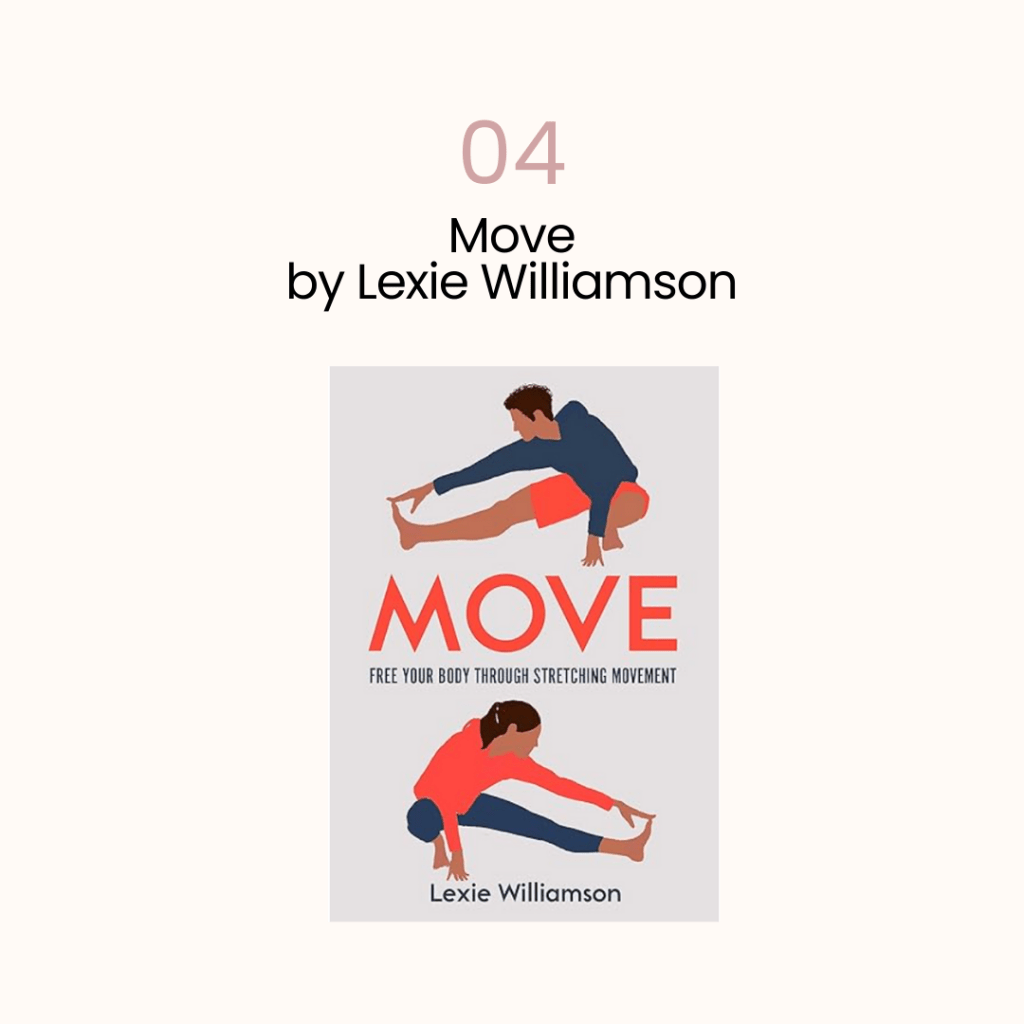
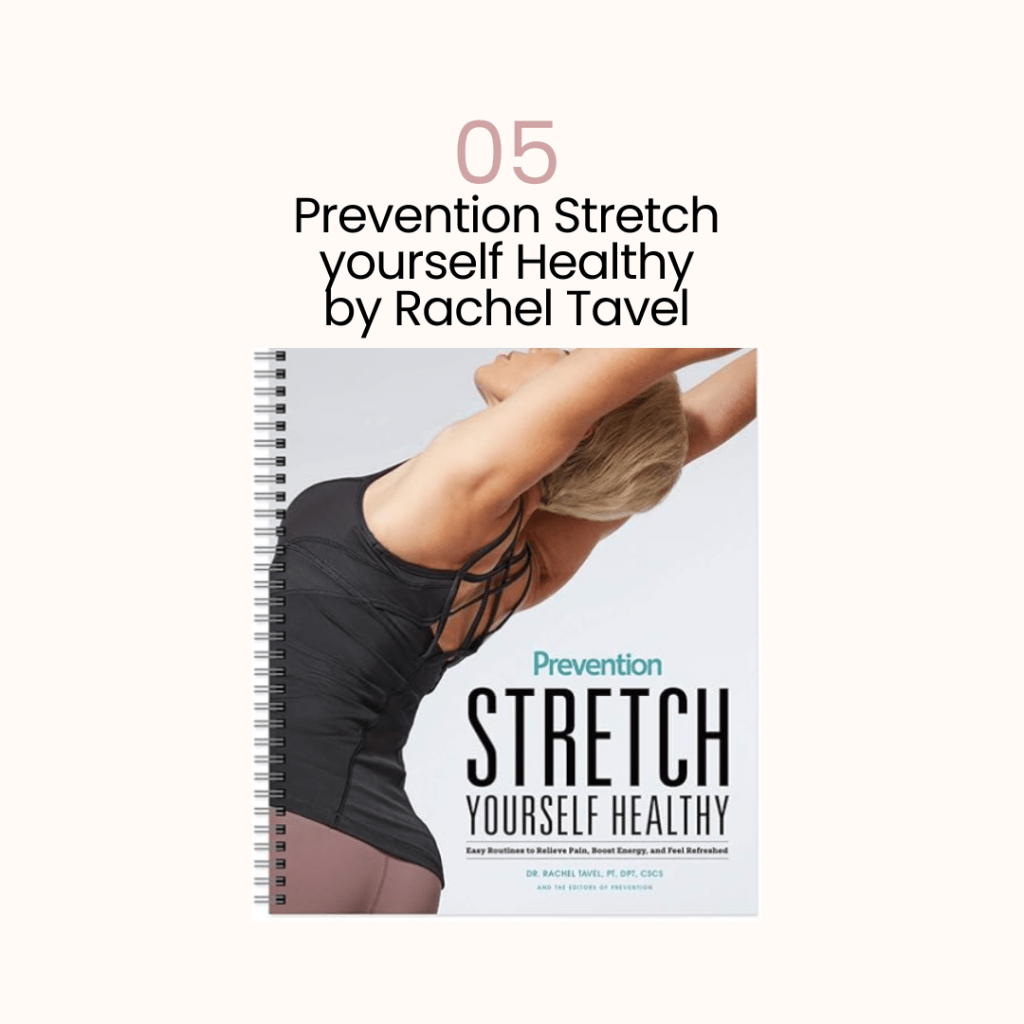
my favourite books about stretching:
read more!
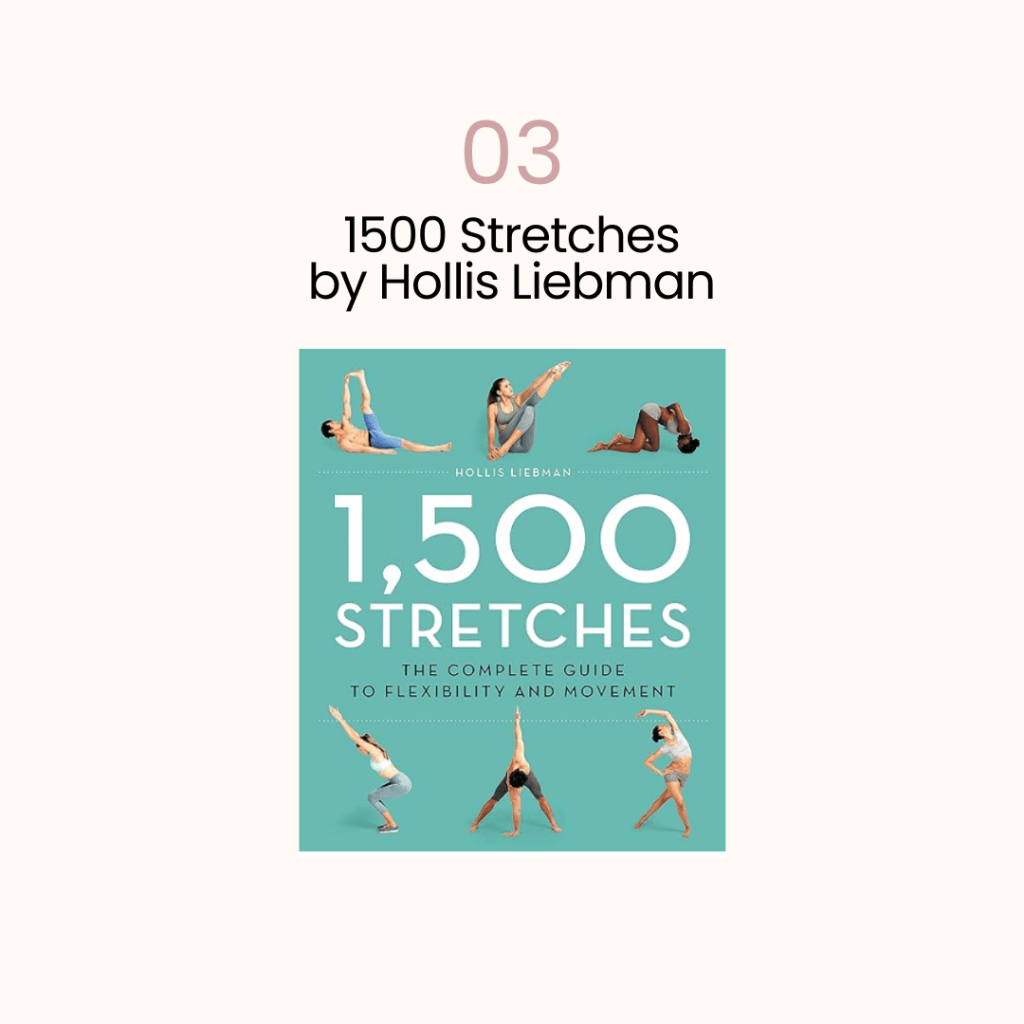
1 500 Stretches : The Complete Guide to Flexibility and Movement. First ed. Black Dog & Leventhal 2017.
Bauer Joy and Carol Svec. Joy Bauer’s Food Cures : Easy 4-Step Nutrition Programs for Improving Your Body. Rodale : New York,NY, 2007. (*the arthritis chapter has great information on anti-inflammatory eating.
Blahnik, Jay. Full-Body Flexibility. 2nd ed., Human Kinetics, 2011.
https://www.flexibilityresearch.com/ *I follow Dan Van Dandt on Instagram and love how he breaks down the latest research on flexibility.
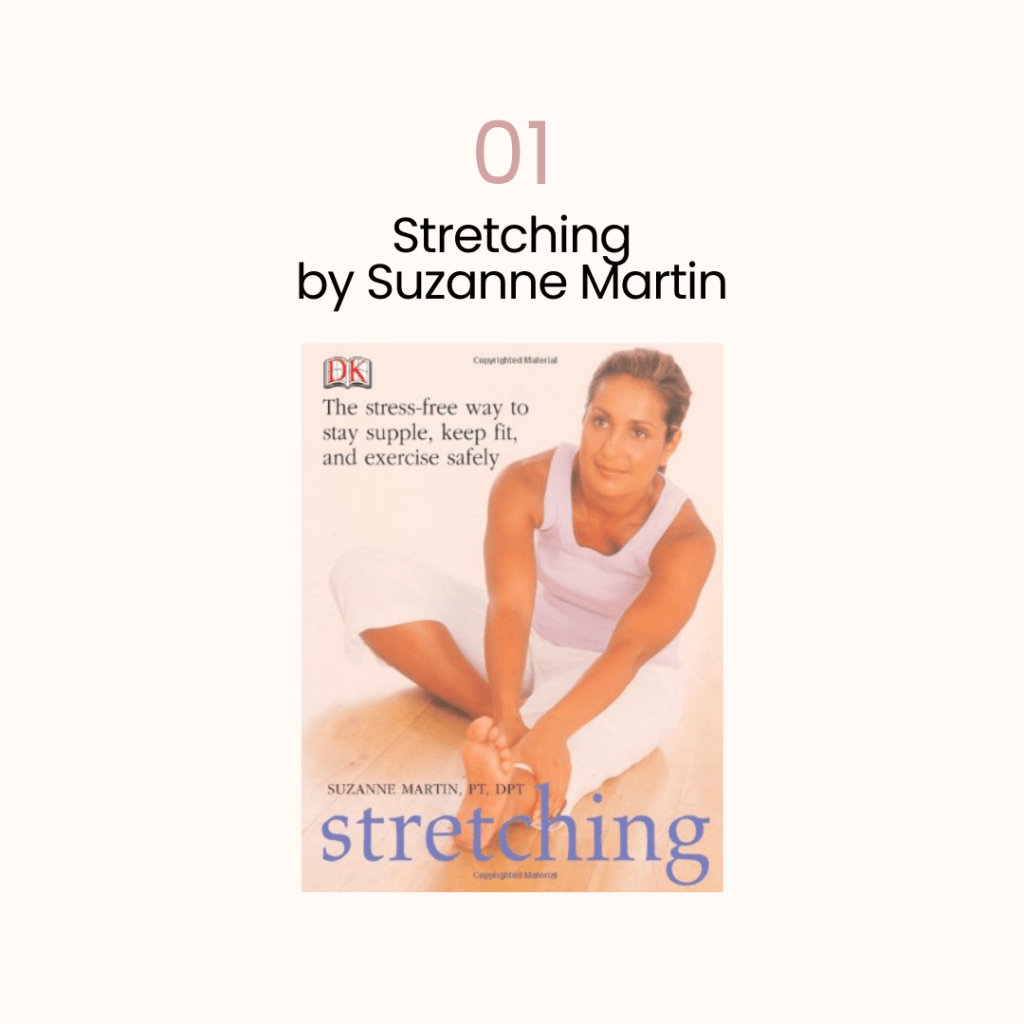
Martin Suzanne. Stretching : The Stress-Free Way to Stay Supple Keep Fit and Exercise Safely. 1st American ed. DK Publishing 2005.
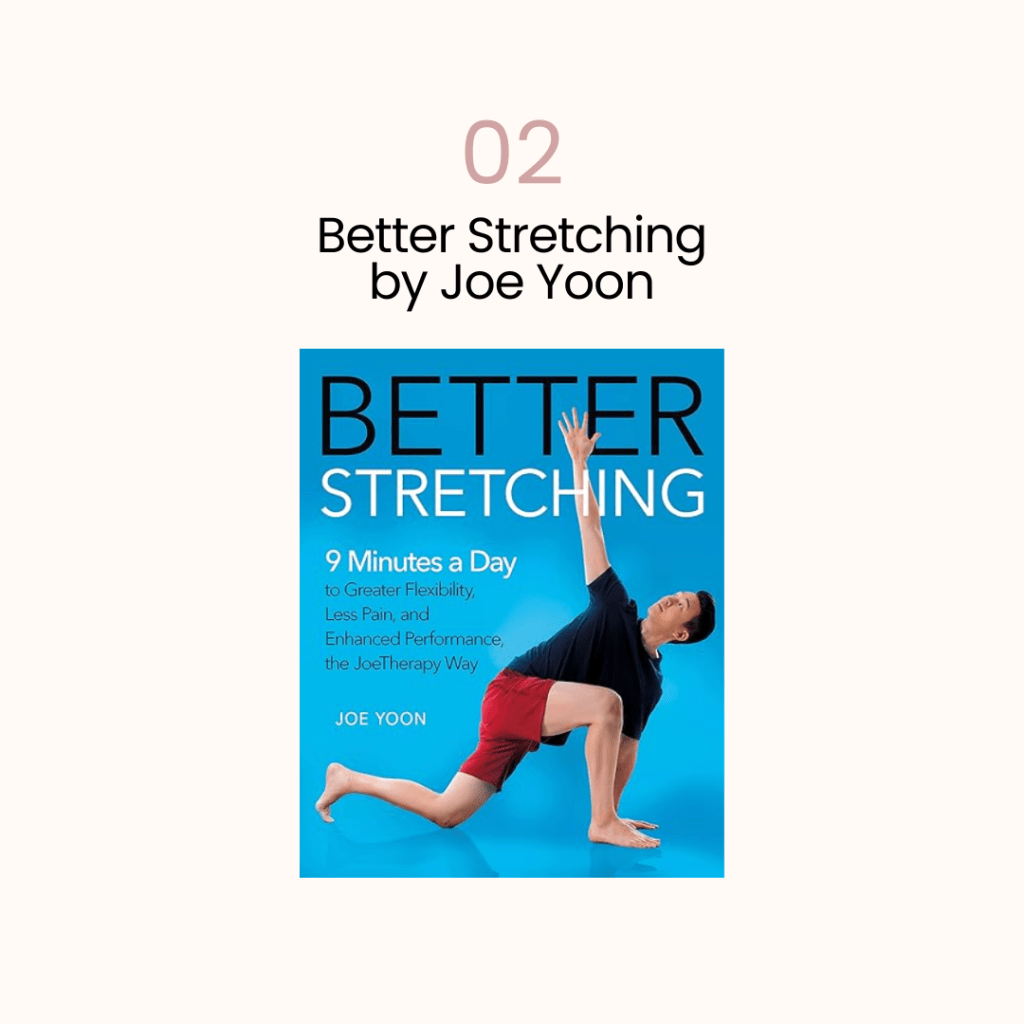
Yoon, Joe. Better Stretching : 9 Minutes a Day to Greater Flexibility Less Pain and Enhanced Performance the Joetherapy Way. First ed. St. Martin’s Essentials 2020. *such a great book with practical stretches to feel good (from a physiotherapist).


 Barre with Justine
Leave a reply to Justine Cancel reply