In fitness, we often talk about the community and the feelings that are created in the group fitness studio. We gather to work out but we gain so much more: deep connections, motivation, and support from others on the same journey. Believe me when I say it’s top of mind for every fitness instructor I know, and we regularly discuss how to create community at meetings, workshops, conferences, and trainings. Group fitness is one of the biggest retention tools at gyms because of the sense of community and belonging that members feel when they join a class.
Speaking from my own experience as an instructor, I’ve made so many lovely friends through my classes and my classes are as enjoyable and social for me as they are for the members. I know how much effort that my colleagues and I put into creating warm and welcoming spaces and I feel we can apply some of these techniques to the library classroom too!
Students are grappling with unusually high levels of loneliness, a trend that was accelerated by the pandemic. According to a report published in 2022, anxiety levels in post secondary students are up by nearly a third since 2018.
The effects of having lengths of time during the pandemic where classes were online and social interactions were curtailed is still somewhat unknown. We might consider that the students we see may be feeling a mix of different feelings back in the classroom: anxiety, excitement, stress and being overwhelmed.
Several of the students that I surveyed in my book clubs spoke of having missed out on building relationships with professors, feeling scared about being back in the classroom and missing out on the experiences of university. (Quote)
I firmly believe that, more than ever before, we need to make students feel warmly welcomed and connected to others – for their mental health and for their capacity to learn. When students are at ease, they learn better: “When a person’s physiology is balanced (homeostasis), they are relaxed, and as such, they are prepared for new adventures, challenges, and learning.” (Adair)
So how can we create classrooms that are welcoming?

First, a story: at the beginning of my sabbatical, I attended a fitness business retreat in Arizona with two amazing and inspirational fitness leaders, Lauren George and Mariah Secrest-Comer. While it isn’t as apparent these days, I am a naturally shy person! It comes out in situations like the retreat where I had never met any of the other women, who were all gorgeous and talented fitness instructors! For the first early morning workout, I was lost at the resort and came in late to the class feeling incredibly anxious. Lauren brightly welcomed me in and said “come on in Miss Justine”, which immediately made me feel welcome. Lauren and Mariah have a talent for creating those beautiful, welcoming classroom spaces and I learned so much from them.
For this post, I felt it would be good to reach out to Lauren to get her take on how we can create warm spaces and community. The entire interview is posted on my personal blog; here are some takeaways for our library classrooms!
Making everyone feel welcome
As instructors, we can take advantage of some universal “warmth” cues to provide students with a welcoming experience. You may be aware of the importance of smiling and using open body language (e.g. keeping your arms uncrossed and avoiding positioning yourself between the podium and the class), but you may not be as familiar with some techniques to build community within a group.
Research has demonstrated that first impressions, good or bad, can be made in less than 30 seconds (or less!). If this is true, being more aware of how we interact in the classroom with students is important for creating a warm and welcoming environment.
In his book The Culture Code: The Secret of Highly Successful Groups (which I had to read for a fitness program that I’m a part of!), Daniel Coyle outlines “belonging cues” that he observed in the most successful groups he studied. These include:
- profuse amounts of eye contact
- close physical proximity, often in circles
- humour, laughter
- intensive, active listening
- energy
Eye contact and listening are important for demonstrating presence and engagement with a classroom and this is an easy element to include in a library classroom. Close physical proximity can be slightly more awkward and difficult to achieve, depending on the size of the class and the reality that, as librarians, we often see the students only once. We can, however, greet students at the door and welcome them to the classroom.
Lauren George stresses how important it is to arrive early to a fitness class so that the instructor can greet participants at the door and get to know a little about each person:
“If at all possible, position yourself by the door so you can greet students (new and old) as they come in. Thank them for being there and if possible ask them about their life, or try to learn something new about them whenever possible. People like to feel seen and like they belong.”
Energy is another aspect of creating connections with students in class. We can be enthusiastic in the way we speak and in our gestures. In group fitness, as instructors we talk about lifting the energy of the room or putting out the energy that we want to see in class. It can take a lot of effort but it is truly rewarding to change the energy of a class!
Opening the door for further connections
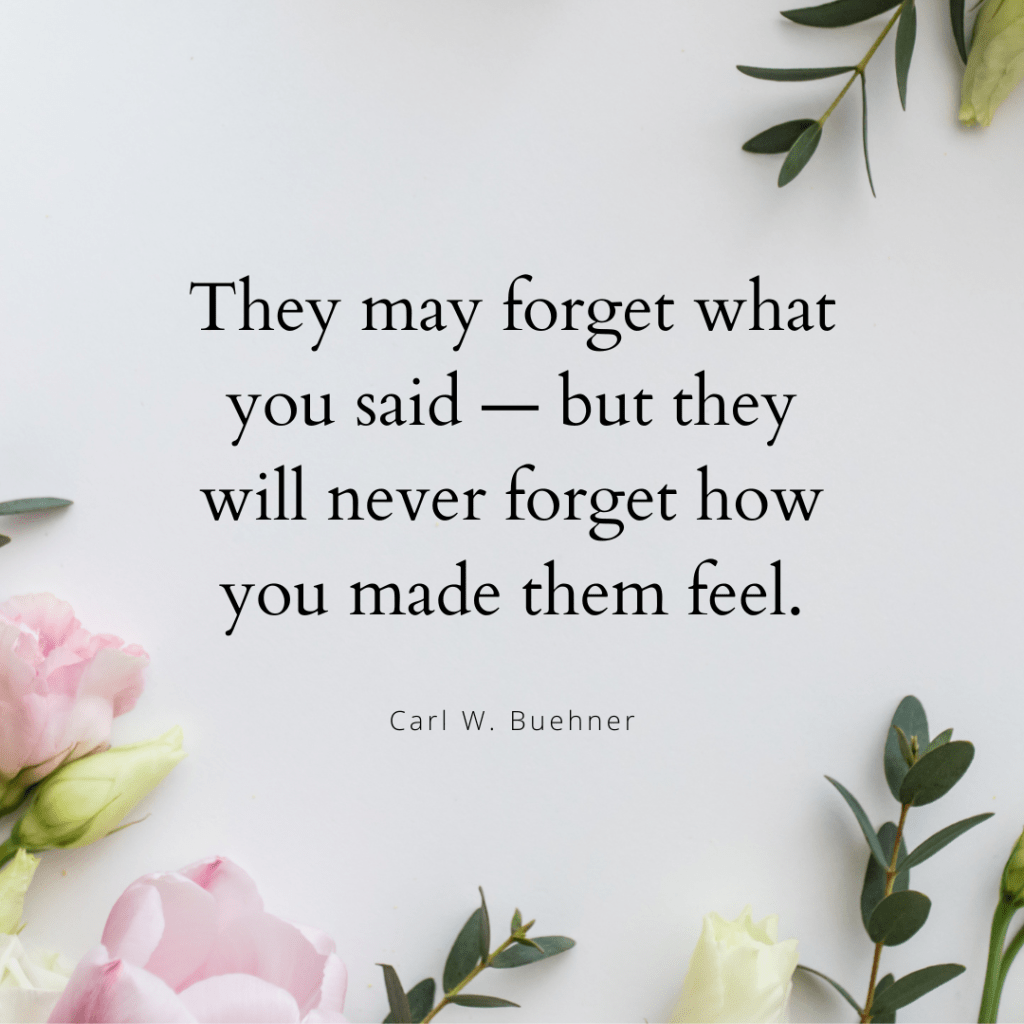
I believe that if students take nothing else from a library session, knowing that they can always reach out for more help is essential. Stress less about getting the content and delivery exactly right and think about the FEELINGS that you are leaving students with – do they feel acknowledged and listened to? Would they feel comfortable reaching out to library staff for more help?
I would love to hear about how create warm experiences in the classroom!
Resources for creating welcoming classrooms:
Adair, Bill. The Emotionally Connected Classroom: Wellness and the Learning Experience. Thousand Oaks, CA: Corwin, 2019.
‘Be Kind: Teaching for Information Literacy in a Pandemic Era’. Journal of Information Literacy, vol. 14, no. 2, Dec. 2020, pp. 1–3. EBSCOhost, https://doi.org/10.11645/http://dx.doi.org/10.11645/14.2.2890.
Davidson, Cathy N., and Christina Katopodis. ‘CHAPTER 3 Teaching Is Mentoring’. CHAPTER 3 Teaching Is Mentoring, Harvard University Press, 2022, pp. 39–54. www-degruyter-com.proxy.library.brocku.ca, https://doi.org/10.4159/9780674287525-005.
 Barre with Justine
Leave a Reply