“The child alone with her or his book is, for me, the true image of potential happiness, of something evermore about to be.” ~ Harold Bloom in Stories and Poems for Extremely Intelligent Children of all Ages
When I was in library school, I had no desire to work in an academic library. You might be surprised to know that my goal was to become a children’s librarian! I envisioned running story times or being that special librarian in a child’s life who nurtures and ‘gets’ them. It was not to be (and I love my job as an academic librarian), but I’m lucky to interact quite a bit with public libraries as a mother of three and having completed 1.5 terms on the local public library board. Children’s books have always had a special place in my heart and I’ve read even more children’s literature in my English degree and beyond.
A brief history of children’s books
Picture books are often a child’s introduction to the world of reading. First, sturdy board books for babies to explore with their fingers and mouths, then beautiful picture books that weave visual cues along with the text.
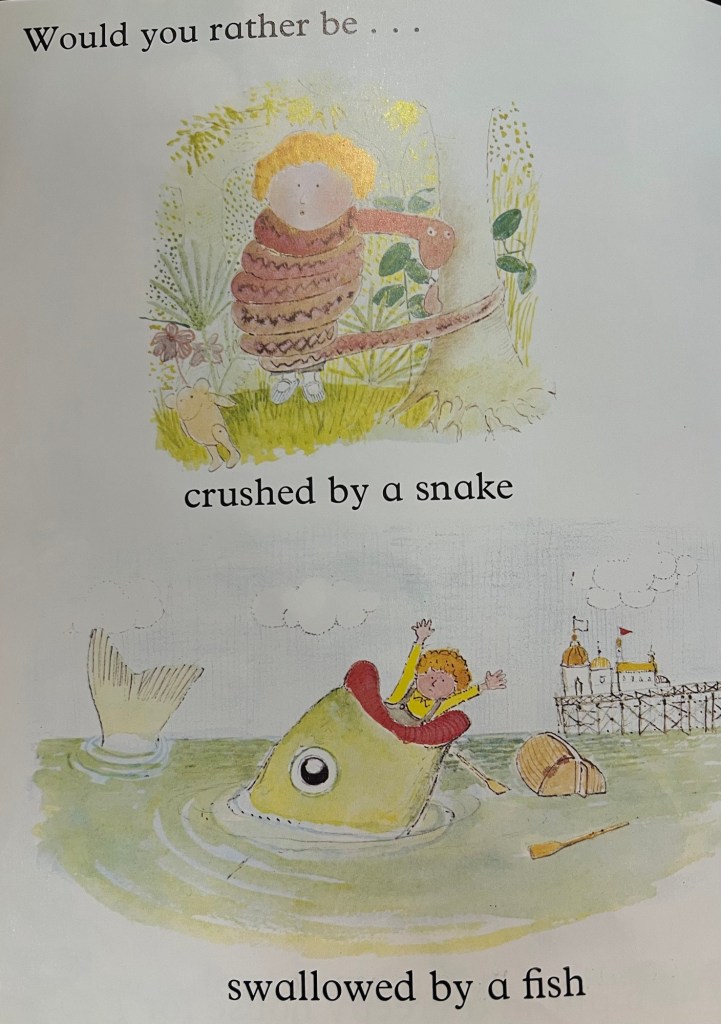
Perhaps you remember some picture books from your own childhood? I loved the John Burningham books that my parents had brought from Wales because the pictures were interesting (and often a bit scary!). I loved the illustrations in the Laura Ingalls Wilder books and the funny drawings in Beverly Cleary’s Ramona books.
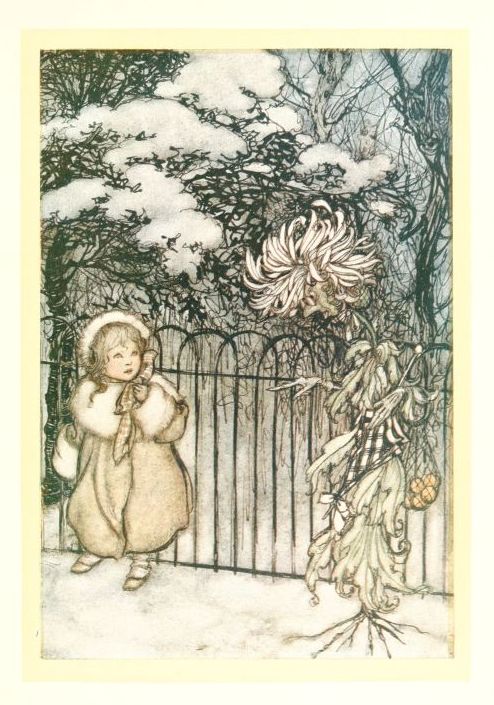
There is an interesting history to picture books, which rose to prominence in the early 20th century, and has blossomed ever since. Beatrix Potter‘s beautifully illustrated animal tales were some of the first picture books written for children, and were often cautionary tales about how children should behave to stay safe. JM Barrie’s Peter Pan in Kensington Gardens (1906) was illustrated by Arthur Rackham:
In the United States, books like Mike Mulligan and his Steam Shovel and the Little Golden Books series were popular picture books in the mid-twentieth century. One of my favourite picture books to read with my own children was written in 1942 (by the author of Mike Mulligan, Virginia Lee Burton): The Little House.
Why are we drawn to certain books?
Picture books that are beloved by readers, young and old, often share similar themes and techniques. We often know what we love intuitively but the characteristics are also well documented in research on children’s literature. In Peter Hunt’s time-honoured International Companion Encyclopedia of Children’s Literature, the entry on “Selecting books for younger readers,” outlines what is most appealing to young readers.
For birth to 5:
- clear, minimalist pictures in bright colours (for birth to 5)
- “stories and pictures about everyday objects”
- playfulness with language and design (e.g. rhymes, songs/ books that include texture)
For 5-7:
- realism: “the best stories for five- to seven- year olds slow down, and turn into art, the action, sounds, sights, feelings of childhood. The universal experiences – birthdays, starting school, having a baby brother or sister, losing a tooth, being left awake at night, fussy eating – are shown to be the same for everyone.”
- address (and allow children to ‘practice’) common fears and anxieties
- pictures are still important to comprehension but text becomes primary
Characters that children want to BE
If you have ever read a book to a small child, you might have noticed how often he/she says “I’m her/him” or “that one’s me!” (and they may remind you on every page!)
This is such a common trait of young readers and demonstrates how children make sense of the world around them. They may see, in a character, something they relate to or something they aspire to be/do. Mills and Webb observe that “good texts for the young combine this sense of familiarity (and ease of access to the book) with this possibility for growth and challenge. (771)
When I read the Laura Ingalls Wilder books, I could relate to Laura but I never wanted to be her – I wanted to be Mary, who was polite and lovely looking. It’s an interesting pull, as a young reader, between the character we relate to and the one we might aspire to be! It was the same with the Ramona books – I could see myself in Ramona but wished to be her older sister, “Beezus.”

I love finding out what people’s favourite children’s books were because I think it’s a fascinating window into their personality. It’s also delightful to watch my own children fall in love with certain books and identify with the characters. While I can’t always convince my kids to love the books that I do, it’s interesting to see the themes and concepts that pique their curiosity or make them laugh uncontrollably.
When I was little, I loved (in no particular order):
- Dick Bruna books (Miffy, etc.)
- John Burningham (Mr. Gumpy’s Outing, Would you Rather)
- Nancy Drew Mystery Stories (of course!)
- Beverly Cleary’s Ramona series
- Mary Hahn ghost stories (Wait til Helen Comes, etc.)
When I was in university and studying literature, I fell in love with the following children’s books:
- I Capture the Castle by Dodie Smith
- Tom’s Midnight Garden by Philippa Pearce (in fact, all her books!)
- Tuck Everlasting by Natalie Babbitt
- The Swallow by Charis Cotter
With my own children, I fell in love with:
- The Octonauts Book Series by Meomi
- Big Sister and Little Sister by Charlotte Zolotow
- Little Excavator by Anna Dewdney
- The Little House by Virginia Lee Burton
What was your favourite book growing up? Why did you love it? Did you identify with the characters? Please share!

 Barre with Justine
Leave a Reply