A Story about the Evolution of BODYSTEP ™
In 2023, Les Mills (the New Zealand company behind exercise programming used around the world) unveiled a newly redesigned BODYSTEP ™ program. BODYSTEP ™ was one of the original Les Mills programs, dating back to the 1990s (it celebrated 25 years in 2015). As an instructor since 2016, I’m excited about the changes which include simplified choreography, more functional strength moves, and a focus on mobility (plus ALL original music, which so far has been amazing).
An interesting part of the redesign, according to the program directors Mark Nu’u-Steele and Kaylah-Blayr Fitzsimons-Nu’u, is the emphasis on longevity for instructors and participants and feeling “worked instead of smashed”. As an instructor who taught up until month 8 of my last pregnancy, I will admit that there were classes that left me feeling pretty depleted during that time. For newbies to BODYSTEP ™, it can be a very intense workout both mentally and physically. I’m very pleased that the new format leaves me feeling physically great, with more mobility and happy joints.
The redesign of this Les Mills program is part of a bigger focus in fitness on balanced training, with an eye to improving the way we feel and move in daily life. Rather than breaking our bodies down with grueling workouts, we can create balanced routines that we can continue to do throughout our lives even during pregnancy and as we age.
Playing the long game in fitness will allow you to exercise and stay strong today and in the years to come!

How to create a Fitness Routine that a) feels good and b) you can do forever (or close!)
Focus on Balanced Workouts
Think of your workout schedule as a balanced plate. Just as you would include a variety of food to create a healthy diet, include a combination of cardio, strength, flexibility and mobility training (and a sprinkle of mindfulness). Consider the possibilities that might include:
| Cardio | Running, walking, swimming, cycling, spinning, BodyAttack*, BodyStep*, BodyCombat*, HIIT* |
| Strength | BodyPump, Barre*, weight training |
| Flexibility/Mobility | stretching, yoga, Pilates*, fascial release (foam rolling, etc.) |
Take Time to Recover
If your goals include building strength and avoiding injury (and they should be!), you MUST take time to recover from intense workouts. Muscles need rest to grow, too much exercise is stressful on the body and we also need the mental break from exercise. Recovery techniques could include:
- quality sleep
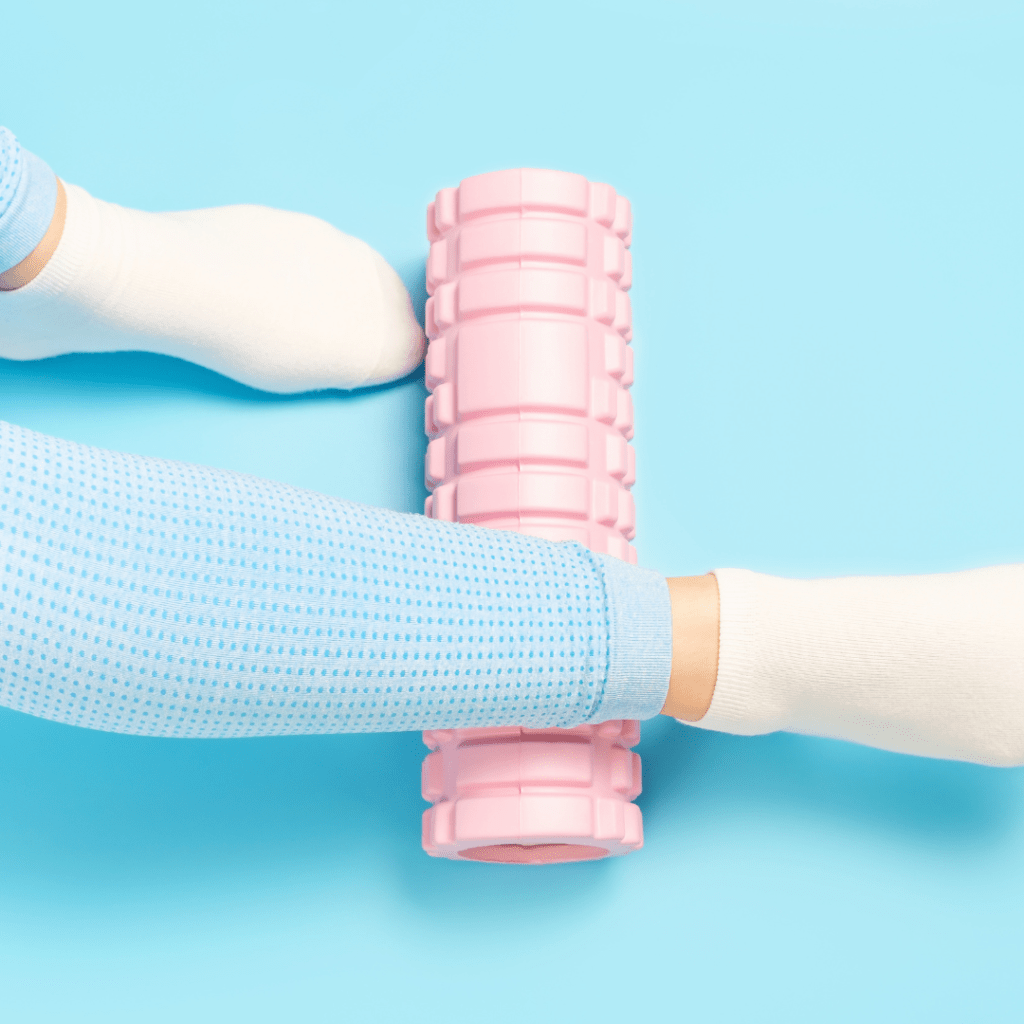
- fascial release (foam roller, balls, etc.)
- stretching
- mobility workouts like yoga
- light exercise such as walking
Focusing on recovery will ensure that your joints get a break, your muscles grow stronger, and you will have more energy and motivation to exercise again.
Eating Well
In order to create muscles that are strong and encourage our bodies to function well for the entirety of our lives, we need to eat well and enough. Protein is essential for repairing the muscle that we break down during exercise (it’s how we get stronger!) and carbohydrates help with restoring energy and get the amino acids (from protein) to reach the muscles.
If you eat dairy, greek yogurt and chocolate milk are often recommended by dietitians post workout because of the high levels of protein, calcium and Vitamin D.
Hydration is also very important both before workouts and after to restore water lost in sweat. Something to be aware of is under-fueling. In my own experience and what I see and hear as an instructor is often very restrictive approaches to eating. I’ve had times when I’ve reduced carbohydrates and felt like I was dragging myself around. I’ve also been guilty of not eating enough protein, which also has a huge effect on how my body is feeling.
This is a great article on the topic of underfueling – a more common issue than I think most people realize!
Move in all Directions
Often we get stuck in workout patterns that are repetitive. Perhaps we love to do spin classes or we are training for a 5k run. While these are amazing workouts, we can put the body under a lot of stress by using the same muscles and the same movement patterns.
I love cycling and it’s my favourite at-home workout but I know that if I do 3 cycle workouts in a week without doing anything else, my hip flexors and upper back will be tight, some muscles will be neglected, and I may not want to get back on the bike for a while.
If, however, I mixed in some barre workouts where I move in different planes of motion (side to side and rotating) and take opportunities to stretch out the hips and upper back, I will have a more balanced week.
| Example Workouts | Benefits | What you may miss…* |
| Yoga | flexibility, mobility, body weight strength, mindfulness, balance | cardio, strength, endurance |
| HIIT | cardio, strength | mobility, flexibility |
| Running | cardio, endurance, mindfulness | strength, flexibility, lateral movements |
Join a Community
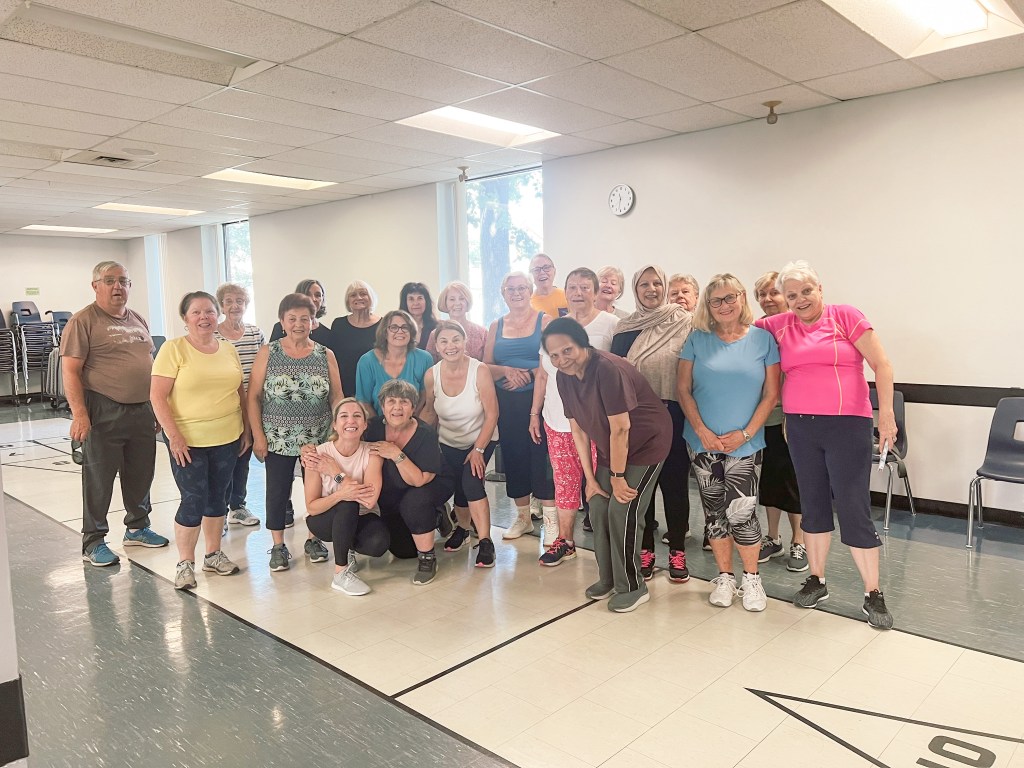
As a group fitness instructor, I feel so passionate that joining a fitness community is KEY to longevity in fitness. I’ve seen the bonds that participants develop leading to accountability, friendships, and a feeling that we are all working together towards health and happiness. Teaching fitness to groups of older adults has reinforced that the community they formed in group fitness classes years before has kept them active and involved in fitness into their 70s, 80s, and even 90s. Connections with others is an essential part of our mental health and pairing this with fitness is even more powerful.
Which of these elements could you include in your life today to help make your future even brighter?
 Barre with Justine
Leave a Reply