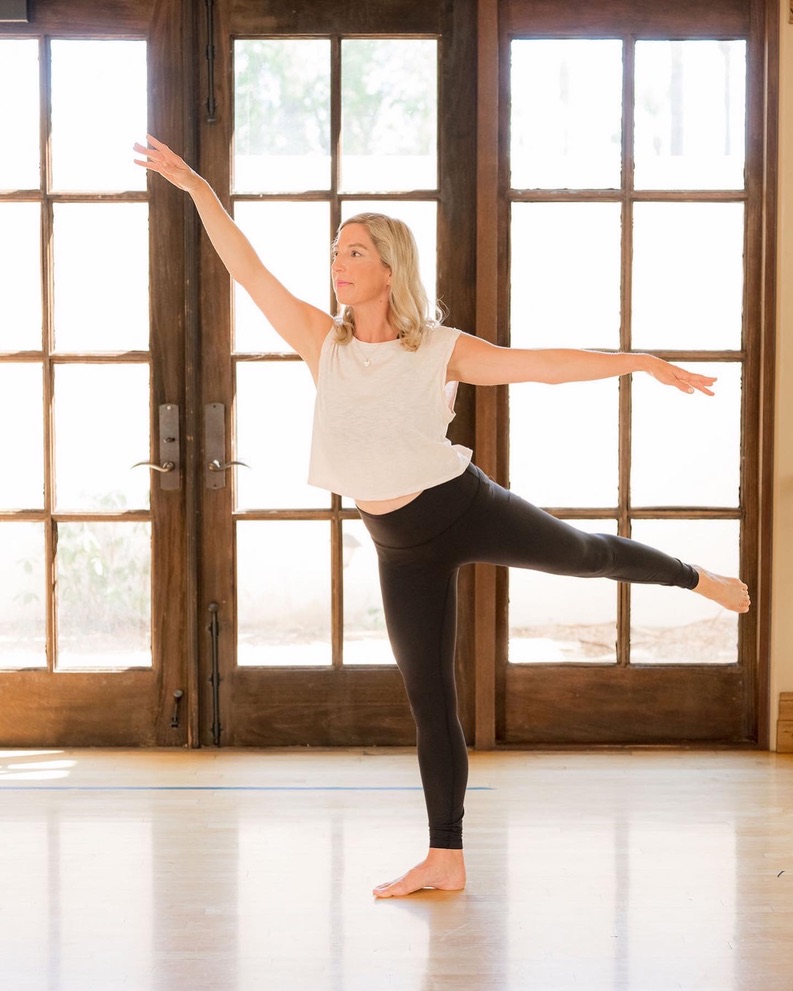
One of the most common things I hear in fitness and yoga classes is the difficulties that people have with balance. Whether it’s a lateral lunge in barre or tree pose in yoga, struggles with balance are very common and a point of frustration for many of my participants. Working on balance is essential to daily life and grows in importance as we age. Strong balance helps keep us safe by preventing falls (and injuries) and helping us maintain movement patterns throughout our lives.
Why do we struggle with balance so much?
Balance involves a delicate dance of various parts of the body: “achieved by the action of reflexes involving the eyes, the balance organs in the semi-circular canals of the ears, pressure receptors in the skin (particularly on the soles of the feet), and stretch receptors in muscles and joints.” (Kent).
Our sense of balance can be challenged by:
- muscle imbalances/lack of strength
- issues with ears
- vision/cognition issues
- loss of sensation in the feet
- changes to the body such as pregnancy
It isn’t easy to address all of the balance challenges, but we can work on strengthening muscles and practicing balance regularly!
Tips for improving balance:
To improve balance, I like to offer participants three steps to take –
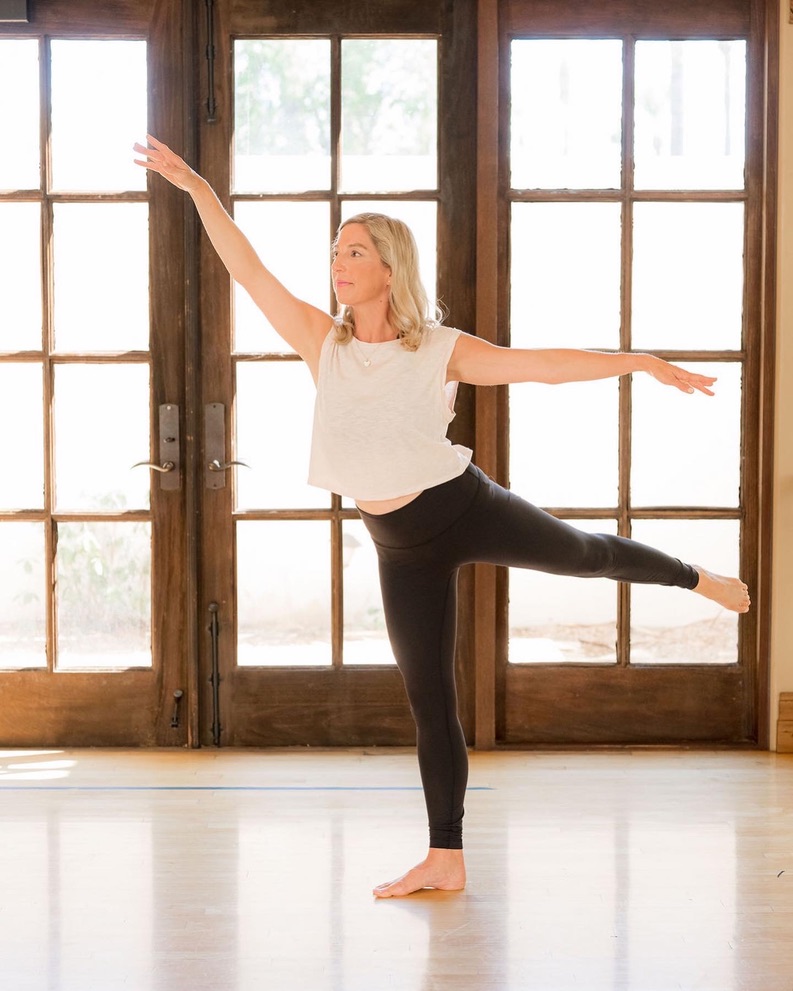
- Focus on strengthening and stretching the feet
- Build lower body and core strength through unilateral movements
- Practice balance mindfully
The health of our feet is an essential but often forgotten area in our bodies. We work out in shoes, walk around in flip flops, and rarely give our feet the opportunity to stretch and strengthen. We can lose touch with the feeling of bare feet connected to the earth but, by activating the nerve endings in our feet through massage (or myofascial release with a ball) and practicing movements barefoot, we can rebuild the connection and gain better balance.
Unilateral movements, or moving a single arm or leg, have benefits for building functional strength and adding in core work to most movement patterns. Think of single-leg deadlifts with one dumbbell or lateral lunges to a knee lift; these movements strengthen muscles in the lower body but they also incorporate the core muscles, which add stability to the movement. The lateral lunge may help you in daily life when you reach to prevent something from falling or catch yourself when you are knocked off balance.
At the end of the day, balance is a practice that we keep working towards. As I tell my classes, we will have days when balance comes easily and days where it’s nearly impossible. On a personal level, if my mind is jumbled with too many thoughts I can find it very difficult to hold a pose. There is an emotional component to balance and the body will reflect this in the ability to maintain composure and strength in a pose!
Taking a few minutes in an exercise class or just at home to test your balance is important in activating the muscles and parts of the brain that are involved in balance. Try doing a tree pose 🌴 you brush your teeth or lifting one knee to balance (bonus points for closing your eyes!). What we practice becomes stronger.
Balance moves are also a great metaphor for life. We clear our minds, find a blissful moment of balance and then stumble…the key is to get right back up and reclaim the sense of balance. 💗
My favourite balance pose is dancer’s pose, because it’s a great hip stretch AND it feels comfortable to me. Other poses include tree pose, star pose, eagle pose, Warrior III, and many more. What’s your favourite?

References
Kent, Michael. “balance.” Food and Fitness: A Dictionary of Diet and Exercise. : Oxford University Press, . Oxford Reference. Date Accessed 31 May. 2023 <https://www-oxfordreference-com.proxy.library.brocku.ca/view/10.1093/acref/9780191803239.001.0001/acref-9780191803239-e-182>.
 Barre with Justine
Leave a Reply