
You may have noticed “wellness” trickling into library spaces and programming over the last few years. From meditation spaces to light therapy lamps for loan, public and academic libraries have officially moved into the often murky world of wellness. “Wellness” is an unwieldy term that resists definition, fuels an enormous industry, and is weighed down by issues of inequality.
Before going any further, let me just say that I am that girl who embraces every wellness trend. I teach yoga & fitness classes. I’m an essential oil and clean beauty devotee. I’ve tried everything from reflexology to head massage, and am always still searching for the next thing that will help me feel happier and healthier. I needed to confess this before going any further so that you will know my how much I do love and believe in wellness.
That being said, I’m also a librarian and try to take a thoughtful and critical approach to wellness. I may adore essential oils and yoga but I feel horrified to see over the top claims made for any wellness trend. As my oldest daughter dives deeper into the murky world of wellness on social media, I feel protective of her and, by extension, university students who are often seeking solutions to complex health and mental issues.
How do we define and distill the “best” parts of wellness for our library spaces and programming? How can we help students navigate the negative side of the wellness industry, from anxieties over eating “clean” to the pressure for constant self-improvement.?
As Rina Raphael writes in The Gospel of Wellness, “it’s easy to feel lazy if you’re not actively ‘bettering’ yourself at all times.” (241)
We know that university and college students are dealing with increased anxiety and depression, made even more acute since COVID. One of the most recent reports, based on a survey conducted mid-2021, shows Canadian students with more anxiety, uncertainty and feelings of isolation than ever.
I believe we need to be very thoughtful and discerning when we choose the wellness programs, collections and services to include in our libraries. One small example is the kinds of books we might choose for a popular reading collection. Being aware that yesterday’s diet books are now books on “clean eating” can help us create collections that are balanced and focused less on image.
I will confess that when I was first responsible for ordering books for our popular reading collection I would choose based on what was popular and what I enjoyed reading. I liked books on fitness, health and diet, thinking that of course students would like them too! They did circulate well but I’m not sure I would make the same choices knowing now the pressures that wellness can put on students (and us all).
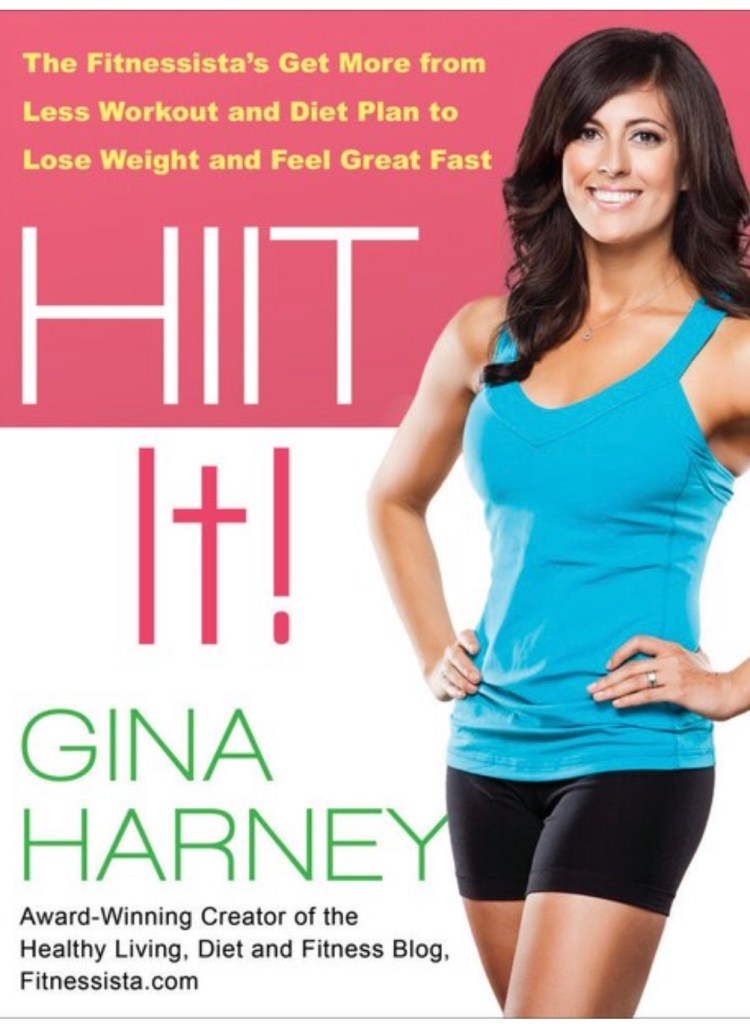
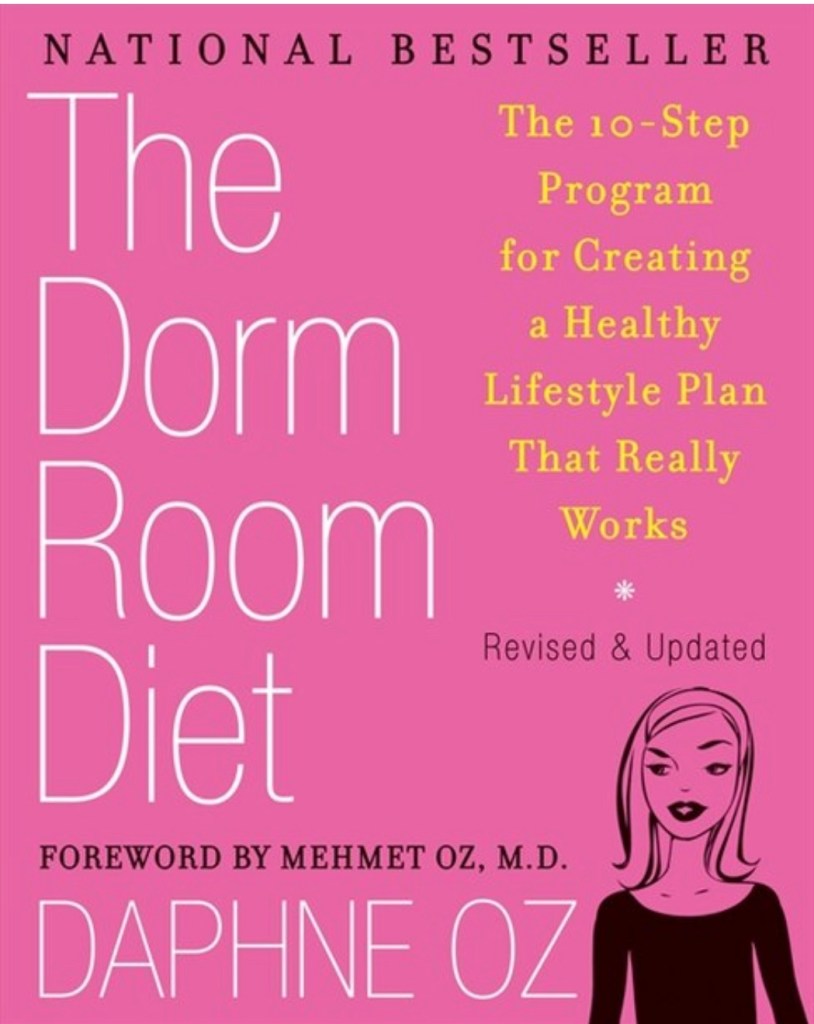
I have nothing against these two examples and enjoyed them both, but I wouldn’t choose these types of books again when building a collection aimed at students. There are already so many diet/fitness pressures coming from social media that it may be refreshing to avoid adding them into what are supposed to be fun” reading collections.
There are many other good reasons for being strategic in library wellness initiatives including:
- where we fit with campus/community partners (e.g. are we replicating what is already being offered?)
- Budget and time constraints
- Lack of training in the support that might be needed
I hope to explore library wellness and all of its complexities in this space. Wellness, for better or worse, is firmly entrenched in Western culture and campus life. The challenge for us is to shape wellness in a way that enhances the lives of our students without adding to their stress.
This might look like offering our spaces for programs that encourage the social connection that they are craving. It may mean involve a more nuanced approach to managing stress in university especially since, as Raphael notes in her book, workshops on yoga and meditation are wonderful but don’t address the stress caused by the 2 part-time jobs a student may be working to pay for school.
If you have an interest in wellness in libraries, please join in the discussion by adding your comments, getting in touch with me, or proposing a topic to chat about!
 Barre with Justine
Leave a Reply